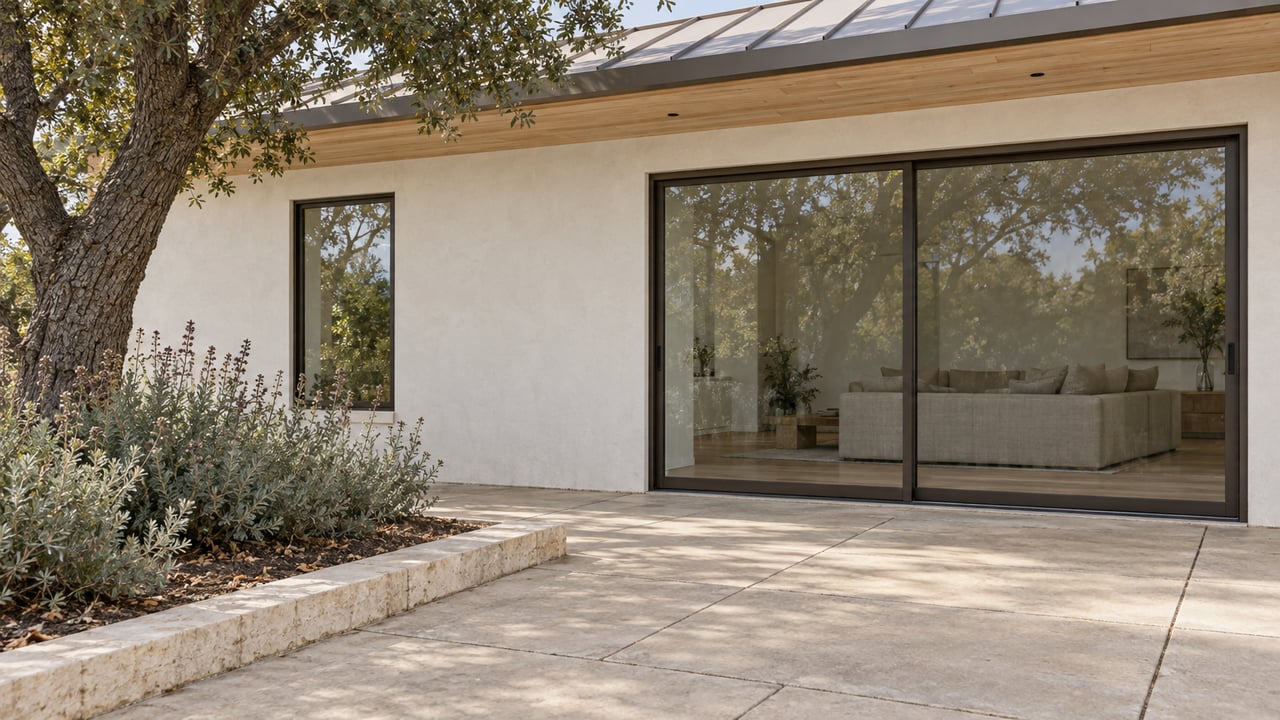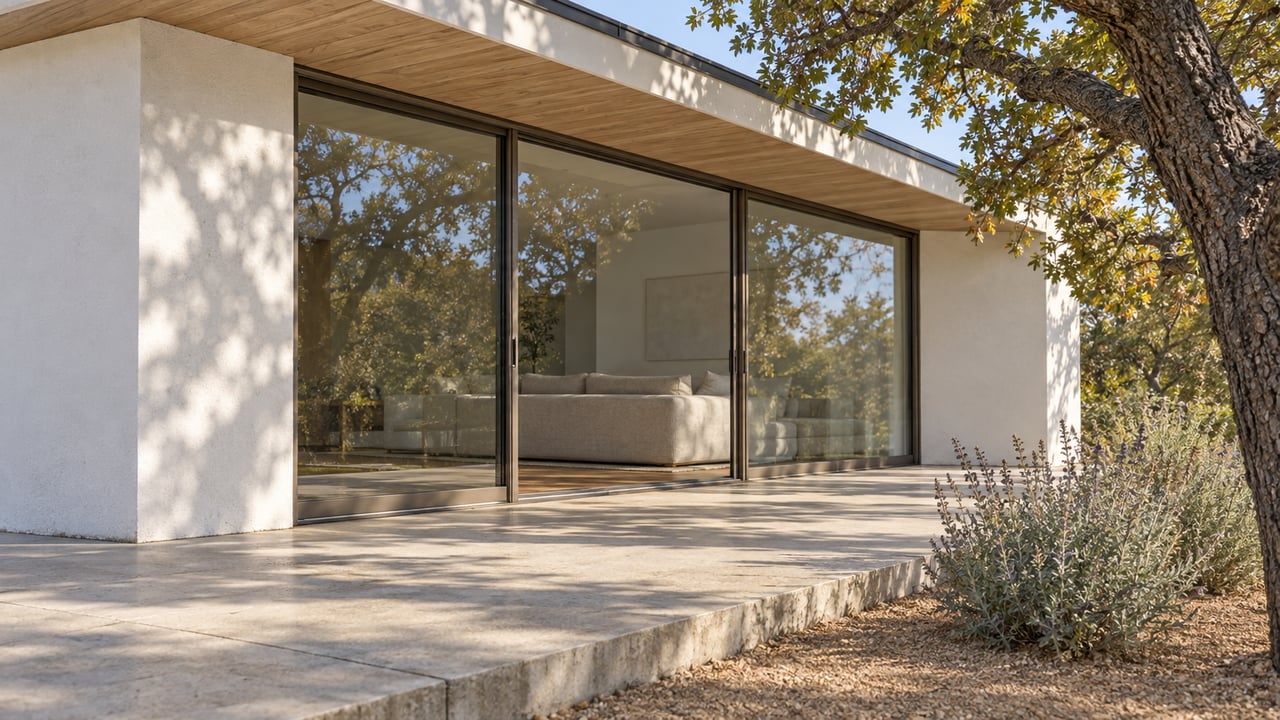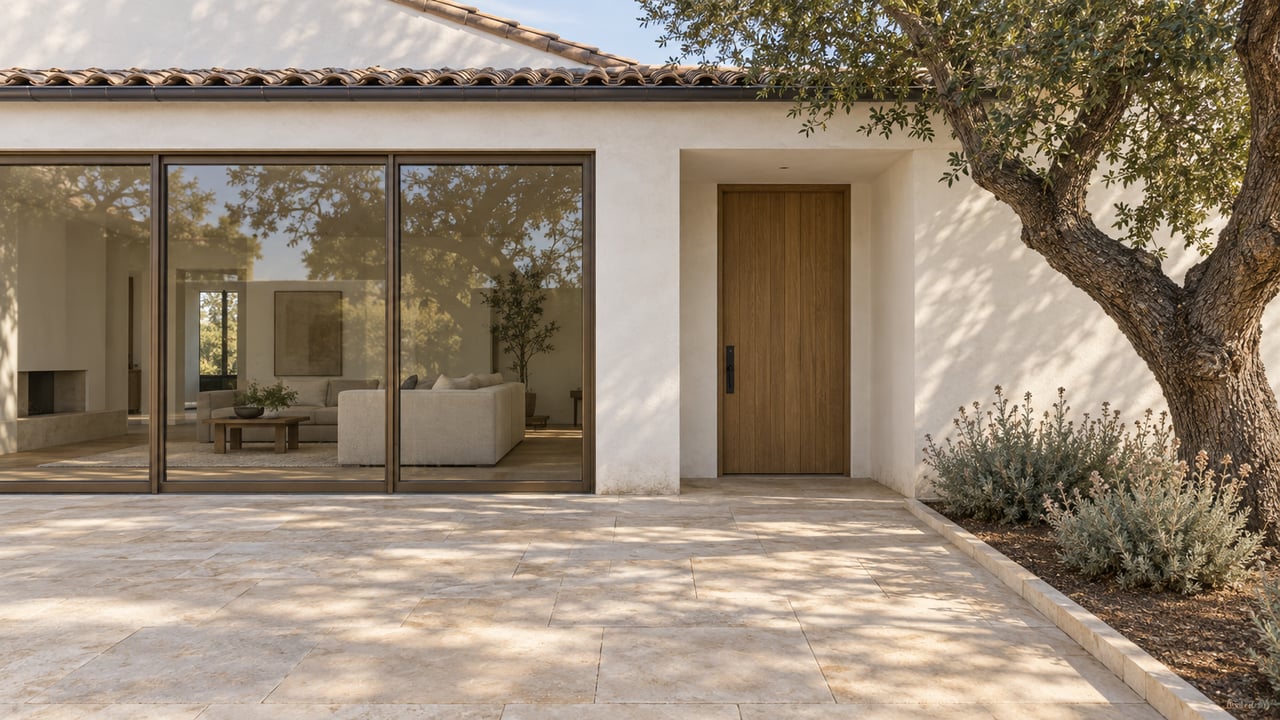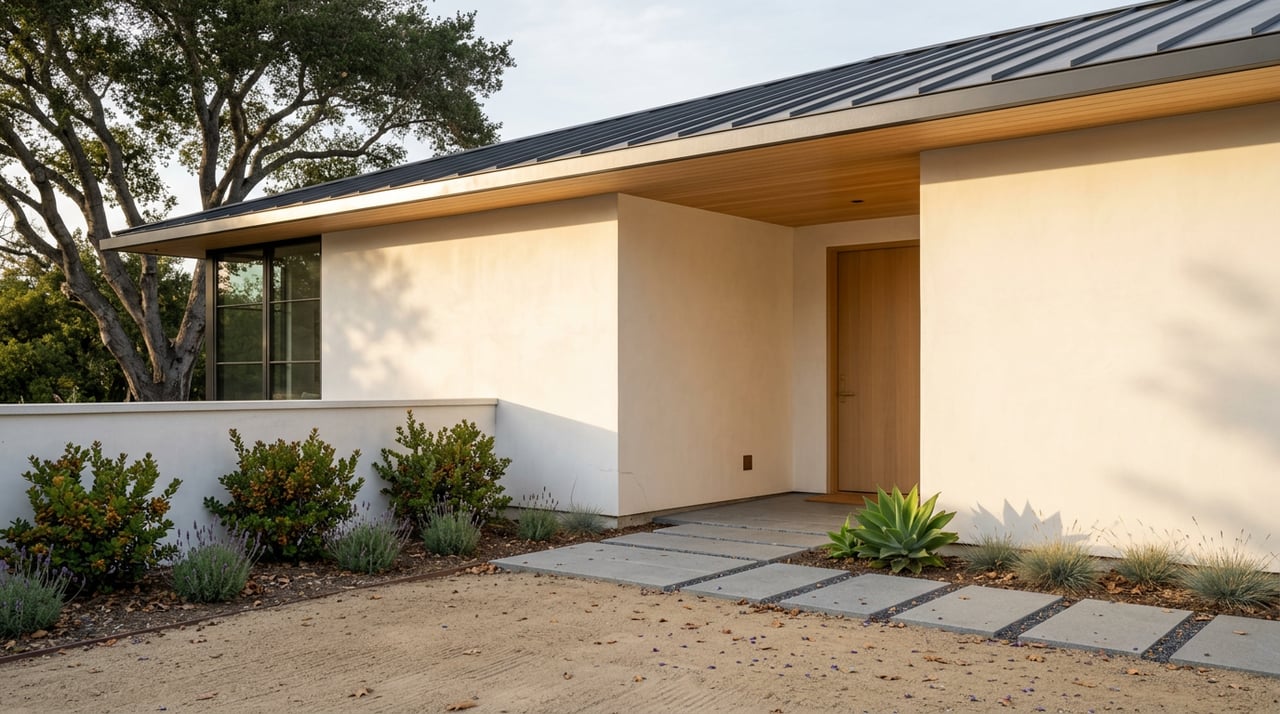
"The base was growing like crazy." That's how Nancy Straight, who moved to Vandenberg Village in 1962 to take a teaching job the district was desperate to fill, described the years when the streets around Constellation and Vanguard first filled in with ranch houses, as reported by the Lompoc Record. Cabrillo High School went up on Constellation Road in 1965 to handle the wave of families arriving with the base. Six decades later, a new wave of buyers is arriving the same way, on orders, with a Certificate of Eligibility in hand and a report date already on the calendar.
Buyers considering Vandenberg Village may have questions about how its location and housing stock affect a VA appraisal. The community is close to a military installation and ringed by chaparral and Burton Mesa scrub, but most properties are served by public water and sewer. For buyers, the practical appraisal considerations are the home's age, condition, and any repairs needed to meet the VA's requirements.
Water and Wastewater Service in Vandenberg Village
Vandenberg Village has run its own water and wastewater utility since 1983, when residents petitioned the county's Local Agency Formation Commission and voted 1,673 to 253 to buy out a private operator that had been charging some of the highest sewer rates in the state. The Vandenberg Village Community Services District now serves roughly 2,600 connections through 33 miles of water main and 31 miles of sewer line, with wastewater treated at the City of Lompoc's regional plant under a fixed capacity agreement. That's a public system, not a patchwork of private wells and leach fields.
The one wrinkle worth knowing before closing: the district banned new self-regenerating water softeners in July 2020 because their salt discharge strains the shared wastewater system. If a seller's disclosure or a home inspection turns up a salt-based softener installed after that date, it's worth a question, but it's a plumbing conversation, not an appraisal one.
For a VA buyer, this matters because well water triggers its own paperwork. According to NewDay USA, the VA generally requires a water test on private wells to confirm the supply is safe, which adds time and occasionally a delay if results come back questionable. In most of Vandenberg Village, that step doesn't apply.
VA Appraisal and Minimum Property Requirements
A VA appraisal does two jobs at once: it sets fair market value, and it checks the home against the VA's Minimum Property Requirements for safety, soundness, and sanitation. Neither job depends on the home's water source once that source is a public utility. Both take the home's age into account.
Vandenberg Village was built out largely in the 1960s and 1970s, and its original stock is midcentury ranch and split-level construction. That window matters because it overlaps almost exactly with the period when copper prices spiked and builders across the country switched to single-strand aluminum wire for branch circuits, a practice most common in homes built or expanded between 1965 and 1973. Aluminum wiring from that era isn't automatically dangerous, but the connections at outlets and switches are prone to loosening and overheating over decades, and appraisers and inspectors are trained to look for it.
The VA appraisal checklist covers exactly the details that era of construction tends to produce:
- VA Mortgage Center says VA appraisers check whether the electrical panel is a modern circuit breaker or an older fuse box
- Whether GFCI outlets are present in kitchens, bathrooms, and garages
- According to Freedom Mortgage, the VA Minimum Property Requirements call for a heat source able to maintain at least 50 degrees in areas with plumbing
None of that shows up in a listing photo. A ranch house on Titan or Polaris with its original panel and original outlets can look move-in ready. That's not a reason to avoid the neighborhood. It's a reason to ask about panel age and wiring type before you're three weeks into escrow.
Worth remembering too: the VA appraisal is not a home inspection. The VA doesn't require one, according to Veterans United, though it's recommended for exactly this reason, since an appraiser is scanning for MPR compliance, not doing a full electrical evaluation. If the wiring behind the walls matters to you, a licensed inspector is the person who actually opens the panel.
Electrical and Budget Considerations in Providence Landing
The newer construction on the Village's south end, Providence Landing, tells a different story. These homes were built well after the aluminum wiring era closed out, with newer panels. That section also carries its own parks and athletic facilities. A buyer comparing a 1960s ranch near Mission Club to a Providence Landing home isn't just comparing square footage or lot size. They're comparing different electrical considerations.
Planning the VA Appraisal Timeline Around PCS Orders
None of this happens in a vacuum for a PCS buyer. Most families get 60 to 90 days between orders and report date, and even a smooth transaction can take 45 to 60 days from accepted offer to closing once financing, appraisal, and any required repairs are factored in.
If the appraisal itself comes back low, The Federal Savings Bank says the VA's Tidewater process gives your agent a narrow two-day window to submit additional comparable sales before that value is finalized. That's a tight turnaround in a market where good comps aren't always obvious to an appraiser working from outside the area.
A Short List Before You Write An Offer
- Ask when the home's electrical panel was last updated, and whether it's a breaker panel or an older fuse box
- Ask whether any water softener was installed after July 2020, and if so, what type
- Get your Certificate of Eligibility before you start touring homes, not after you find one
- Budget the appraisal timeline into your PCS clock, not just the loan approval timeline
Frequently Asked Questions
Does the VA require a home inspection in Vandenberg Village? No. The VA requires an appraisal to confirm value and Minimum Property Requirements, but a separate home inspection is optional, even though it's the better tool for catching wiring issues an appraiser might only flag at a glance.
Will I need a well water test if I buy here? Most Vandenberg Village properties are connected to the Community Services District's public water system, which removes the well-testing requirement that applies to private wells elsewhere in the county.
What happens if the VA appraisal comes in below the offer price? Your agent can request a Reconsideration of Value under the VA's Tidewater process, submitting additional comparable sales within the allowed window.
A community built for one wave of military families is now selling to another, and the paperwork has changed less than the houses have. Knowing which detail actually slows down a VA closing here, and which one is a non-issue, is the difference between a smooth PCS purchase and a scramble two weeks before your report date. If you're working against orders and need someone who already knows which panel questions to ask before you write the offer, Hinkens Group has been walking Lompoc Valley buyers through exactly this since long before the Village had its own water district. Reach out for a home valuation and let's map your timeline against the market before you start touring.
This article is general information, not legal, tax or financial advice. Consult a qualified professional about your situation.