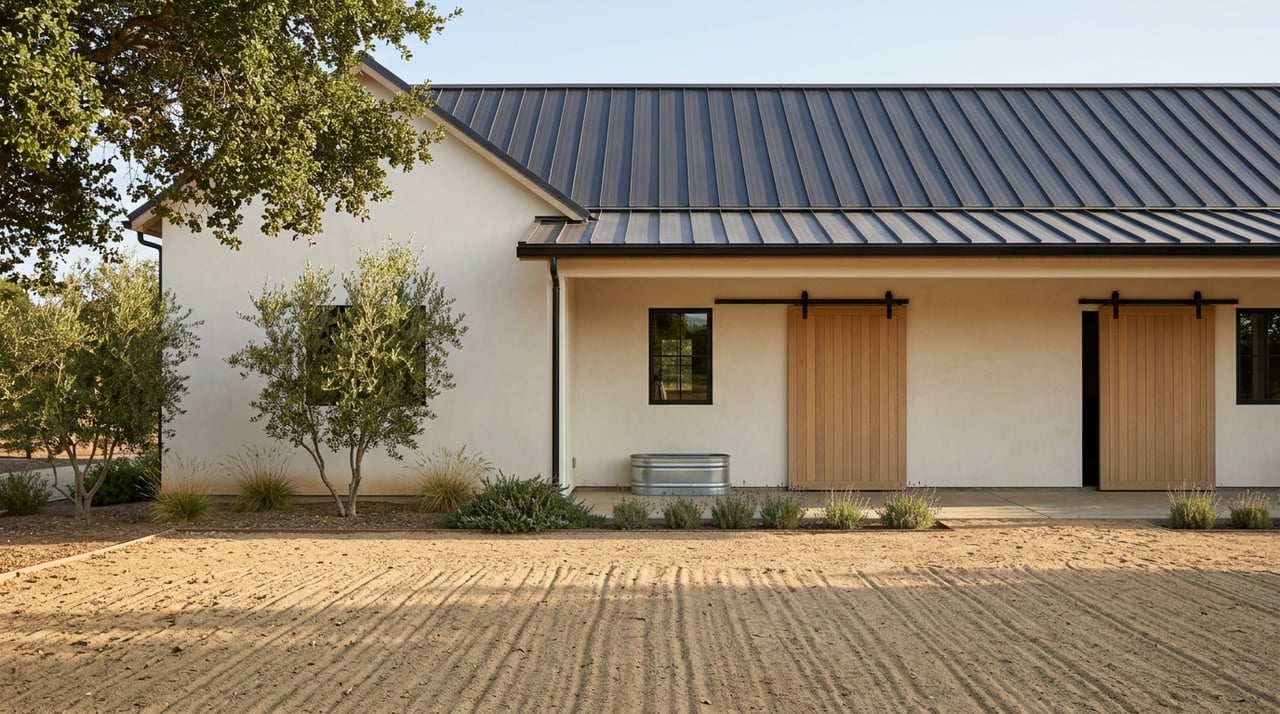
If you picture a Santa Ynez horse property as wide-open land and a pretty barn, you could miss the details that really shape daily life with horses. Buying here takes more than finding acreage. You need to know how the parcel is zoned, whether the horse facilities are legal, how water and drainage work, and whether nearby trails are actually available for use. This guide will help you focus on the questions that matter most before you write an offer. Let’s dive in.
Why horse property means more than acreage
A parcel can look perfect at first glance and still fall short for horse use. In Santa Ynez, the exact parcel details often matter more than the neighborhood name or the view.
Because Santa Ynez is in unincorporated Santa Barbara County, county planning, building, fire, and environmental health rules are the key public sources to check. That means your due diligence should center on the parcel’s APN, zoning, permit history, water setup, and access, not just the marketing description.
Check trail access carefully
Trail access is part of what draws many buyers to Santa Ynez. It can add real day-to-day value if you plan to ride out from your property or stay close to established equestrian routes.
But trail access is not automatic, even when a trail appears to run beside or near a parcel. County and Trail Council sources describe Baron Ranch trails as open to equestrians, and a multi-use Santa Ynez River Trail is planned. At the same time, local trail studies note that some routes depend on recorded easements, managed systems, or coordination with equestrian groups.
Do not assume nearby trails are public
Before you count trail access as a reason to buy, verify whether the route is public, semi-public, permit-based, or private. Some valley trail systems are managed and may require permission or specific access arrangements.
That small detail can make a big difference in how useful a property really is for your riding goals. A trail shown on a map is not always a trail you can use freely.
Understand the zoning before you fall in love
Zoning is one of the biggest factors in whether a Santa Ynez property truly fits your plans. Private horse keeping and commercial equestrian activity are not treated the same way under Santa Barbara County rules.
In AG-I and AG-II zones, horses and mules are allowed animal-keeping uses. In AG-I, the county code table states that lots under 20 acres allow 1 animal per 20,000 square feet. AG-II does not list a numeric cap in that same row.
Private use and business use are different
If you simply want to keep your own horses, the property may work under one set of rules. If you want boarding, lessons, horseback riding activity, or another public-facing horse use, the review can be much different.
Santa Barbara County’s code shows that commercial boarding and raising animals for members of the public requires a Conditional Use Permit in AG-I. Depending on the exact use and zoning, horse-related facilities can trigger separate permit review as well.
Residential zones can be tighter
If a parcel is not zoned AG-I or AG-II, horse keeping may still be possible in some residential or ranchette zones. But the standards can be tighter and may include more specific lot-area and setback rules for large-animal enclosures.
That is why broad statements like “horses allowed in this area” are not enough. You want to confirm the actual zoning and allowed uses for the exact parcel.
Verify barns, corrals, and arenas are legal
One of the easiest mistakes a buyer can make is assuming an existing horse setup is fully legal because it is already there. A barn, stall row, corral, or arena may have been built years ago without complete approvals, or it may have changed over time.
Santa Barbara County provides permit-status and archived-record lookups, and those records matter. County code also notes that some agricultural buildings under 3,000 square feet may be exempt from building permits only under narrow conditions, and those structures cannot be used as habitation or public-use space.
Placement matters too
Even if a structure exists, its location on the parcel can still be important. In at least some residential contexts, county standards for large-animal enclosures include setbacks such as 40 feet from a dwelling on another lot and 70 feet from the street centerline.
That means usable horse property is not just about total acreage. Layout, structure placement, and setback compliance all affect what you can keep, improve, or rebuild later.
Look at the site like a horse owner
A horse-friendly parcel should work well on a daily basis, not just in listing photos. The layout should support safe handling, easy cleaning, equipment movement, and dependable horse containment.
Extension guidance for horse properties emphasizes practical site planning, especially around gates, shelters, water sources, and work areas. These are the spots where problems tend to show up first.
Drainage and footing matter every day
Poor drainage can create mud, erosion, and runoff problems around gates, feeders, and shelters. Over time, those issues can make the property harder to manage and less healthy for horses.
If you are considering dry lots or sacrifice areas, University of Minnesota Extension says a dry lot should provide shelter, water, feed, and at least 400 square feet per horse. That is a useful benchmark when a parcel seems spacious at first but has limited practical horse-use space.
Shape and flow can improve usability
A rectangular paddock layout can help reduce fencing needs and simplify management. Improved surfaces or high-traffic pads near gates, feeders, and water stations can also reduce mud in heavy-use spots.
As you walk a property, think about how horses, people, tractors, and trailers would move through it. Good flow often matters just as much as raw size.
Inspect fencing with a critical eye
Not every fence that holds livestock is a good fence for horses. Extension guidance notes that there is no single best horse fence, but the right one should be strong, safe, and dependable, especially near gates, water stations, feed areas, and shelters.
That means you should look past the fact that a property is fenced at all. Instead, ask whether the fencing is horse-safe and whether the setup supports daily handling.
Focus on the working areas
Pay close attention to:
- Gates and latch systems
- Corners and tight turns
- Driveway crossings
- Trailer approach and turnaround areas
- Fence condition near feeding and watering spots
These areas often tell you more than the perimeter fence alone. A property can have plenty of fencing and still be frustrating or unsafe to use with horses.
Water is a major due diligence item
In Santa Ynez, water deserves close attention on any horse property search. Santa Barbara County Environmental Health oversees water wells and drinking water, and county water-quality rules for small systems can involve well logs, contamination-source mapping within 200 feet of wells, water-quality testing, and proof that the underground basin and storage are adequate.
For a horse property, that makes water more than a box to check. You need to understand whether the system can support horses, wash-downs, and irrigation without strain during dry periods.
Questions worth asking about water
Before you move forward, consider asking about:
- Well yield
- Storage capacity
- Backup power for pumps
- Water quality testing
- Distance from possible contamination sources
- Whether the current setup supports both household and horse use
A scenic ranch setting loses value quickly if the water system cannot reliably support how you plan to live on the property.
Plan for manure and runoff
Manure management may not be the most exciting part of shopping for horse property, but it affects the long-term function of the site. Extension guidance stresses that manure and surface water should be managed so they do not create pollution issues or chronic mud.
As you evaluate a property, look for practical space for manure storage and removal. Also look at how runoff travels after rain or wash-down use, especially near paddocks, shelters, and feeding areas.
Consider wildfire and access from day one
Wildfire planning matters in Santa Barbara County, and it should be part of your buying decision. The County Fire Department says defensible space may require greater protection levels in high-danger areas, with a general guideline of 100 feet of clearance from structures or to the property line, whichever is closer.
For horse properties, this affects more than the house. Barn location, brush clearance, driveway width, trailer access, and turnaround space can all shape safety and usability.
Access is part of value
A property may feel private and peaceful, but limited access can create problems in day-to-day operation and during emergencies. If you keep horses, you want to know that feed delivery, vet access, trailer movement, and evacuation planning are realistic.
In practical terms, the right access can be just as important as the right view.
What to verify before writing an offer
When you find a property you like, slow down and verify the basics. In Santa Ynez, the best horse-property decisions usually come from solid due diligence, not fast assumptions.
Use this checklist as a starting point:
- Confirm the parcel’s zoning, allowed uses, and any overlays
- Verify whether horse use is limited to private keeping or could support other equestrian activity
- Review permit history for barns, corrals, arenas, wells, and fencing
- Confirm whether nearby trails are actually public, managed, or permit-based
- Ask about well capacity, water quality, and storage
- Review defensible space and access conditions with County Fire in mind
- Check whether the parcel is in an agricultural preserve
- Evaluate whether the layout truly fits the number of horses you plan to keep
Agricultural preserve status matters
If a parcel is in an agricultural preserve, it is smart to understand what that means before you buy. Santa Barbara County describes the program as one focused on the long-term conservation of agricultural and open space lands.
That can shape how the property is used and what type of improvements or expectations make sense over time. It is worth understanding early, especially if you are hoping for a more suburban-style use pattern.
Build the right team around the property
Horse-property purchases often benefit from a few extra eyes. Based on the county permit and zoning issues, along with horse-property site-planning guidance, the most useful outside professionals can include a land-use planner or permit specialist, an equine-aware contractor, and a horse professional who can judge whether the site works for your goals.
That kind of support can help you sort out whether a property is truly horse-friendly or simply horse-themed. There is a big difference, and it can save you time, money, and stress.
If you are looking for horse-friendly property in Santa Ynez, it helps to work with a local team that knows how to look beyond the listing sheet. The right property should support your horses, your daily routine, and your long-term plans. When you are ready to start your search, connect with Hinkens Group Properties Real Estate Superstore for practical local guidance.
FAQs
What should you check first when buying horse property in Santa Ynez?
- Start with the exact parcel’s zoning, allowed uses, and permit history because those details often determine whether the property truly fits your horse plans.
Can you assume a barn or corral on a Santa Ynez property is legal?
- No. You should verify permit history and recorded approvals for barns, stalls, corrals, arenas, wells, and other improvements before moving forward.
Does a trail near a Santa Ynez parcel mean you can ride it?
- Not always. Some trails are public, while others are managed systems, tied to easements, or require permits or coordination for access.
How much does water matter on a Santa Ynez horse property?
- Water is a major due diligence item because you need to understand well capacity, storage, water quality, and whether the system can support both household and horse use.
Why does wildfire planning matter for horse property in Santa Ynez?
- Wildfire planning affects defensible space, barn placement, brush clearance, driveway access, turnaround space, and how practical evacuation or emergency access may be.
What makes a parcel truly horse-friendly in Santa Ynez?
- Beyond acreage, a strong horse property usually has workable zoning, legal improvements, safe fencing, usable layout, good drainage, reliable water, and realistic access for daily care and trailers.