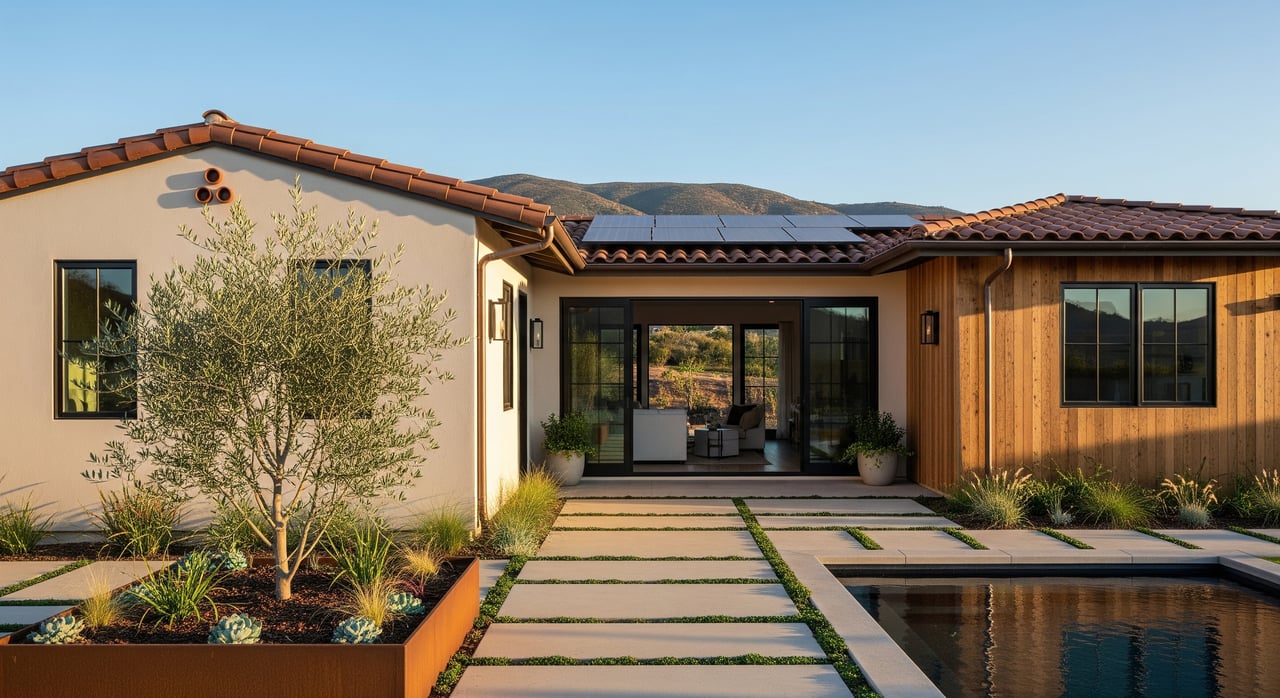
Thinking about adding an accessory dwelling unit to your Lompoc property for family use or rental income? You are not alone. ADUs are popular across the Lompoc Valley because they can add flexibility and long-term value. In this guide, you will learn the rules that matter most in Santa Barbara County, how the process works in the City of Lompoc versus the unincorporated county, and what to expect with costs and timelines. Let’s dive in.
City vs. County: Which rules apply?
Your first job is to confirm whether your property sits inside the City of Lompoc limits or in unincorporated Santa Barbara County. That one detail decides which planning department you will work with, which codes control your project, and how fees are calculated.
- City of Lompoc properties follow the city’s municipal development code, Planning Division, and Building Division. The city may have unique standards or local overlays that affect design and parking.
- Unincorporated properties follow Santa Barbara County Planning & Development and County Building & Safety. If your home uses a private septic system, expect a separate review by County Environmental Health.
- Some parcels are in the Coastal Zone. These may need a Coastal Development Permit or extra review. Check this early so it does not slow your schedule.
ADU types you can build
ADUs come in more than one format. Your site, budget, and timeline will help you choose the best fit.
- Detached ADU. A new, stand-alone small home in your yard.
- Attached ADU. An addition connected to your existing house.
- Garage conversion. Turning a garage into a habitable unit.
- Junior ADU (JADU). A compact unit inside your home’s existing footprint, generally 500 square feet or less and often sharing some facilities.
- Conversion of an existing accessory structure. Repurposing a shed, guest house, or similar building.
Practical tip: Garage conversions and JADUs are often the fastest and least expensive routes because they reuse existing structures and minimize grading and utility extensions.
Key rules to confirm early
Local ordinances still matter, even with California’s streamlined ADU laws. Confirm these items with your planning staff before you finalize design.
Zoning and lot coverage
Check that your zoning district allows ADUs. Most single-family zones and many multi-family zones do, but you should verify. Ask whether lot coverage or floor-area ratio limits apply and how they affect your total buildable area.
Size and height limits
Local rules set maximum square footage for attached and detached ADUs. Some places tie the allowed size to lot size. Height limits may differ for one-story versus two-story units. Conversions of existing structures usually follow the current height.
Setbacks
Detached ADUs must meet side and rear yard setbacks. Many jurisdictions allow reduced setbacks for ADUs compared with the main house, but the exact distances vary. Internal conversions and attached ADUs often have fewer setback challenges.
Parking
Parking requirements for ADUs are more flexible than they used to be. Some projects may still need a parking space, but many are exempt based on location and context. If your ADU removes an enclosed garage space, ask whether you must replace parking or if an exemption applies on your parcel.
Owner-occupancy and rentals
State law has limited local owner-occupancy rules for many ADUs, but local policies and timing can vary. Confirm whether an owner must live on-site and whether your ADU can be rented separately. If you are considering short-term rentals, check whether local regulations allow them for ADUs and whether any licenses are required.
Utilities: sewer and septic
Public sewer connections are usually simpler. You may need to confirm sewer lateral capacity and pay connection or impact fees. If your property is on a private septic system, County Environmental Health will evaluate whether your system can handle the additional unit. Septic upgrades can be a major cost driver and may require soils testing and a septic designer.
Fire, access, and design review
Fire department rules can affect your layout and cost. This can include driveway access, defensible space, or sprinklers depending on size and height. If your property is in a high fire-severity zone, expect additional construction and vegetation requirements. Also check whether your parcel is in a historic district or a design review area that adds steps to your approval.
HOAs and CC&Rs
If you have an HOA, review your CC&Rs for rental limits or exterior design rules. HOA approvals are separate from city or county permits and should be pursued early to keep your project on schedule.
Permitting steps and timeline
ADU approvals are often ministerial when you meet objective standards, which means no public hearing. Still, a clear plan and complete documents make a big difference.
Step-by-step path
- Confirm your jurisdiction and zoning. Verify whether you are in the City of Lompoc or unincorporated Santa Barbara County. Ask about Coastal Zone or other overlays.
- Schedule a pre-application meeting. This is the best way to identify setbacks, parking, sewer or septic constraints, and any discretionary triggers.
- Prepare your application. Include a site plan, floor plans, elevations, utility plan, and energy forms. If on septic, add Environmental Health documentation.
- Submit for planning review. Most compliant ADUs are processed ministerially under objective standards. Variances or coastal permits can add time and steps.
- Complete building plan check. Structural, electrical, plumbing, and energy reviews happen here. Utility providers may require separate meter requests.
- Build and inspect. Expect inspections at key stages. A final inspection clears you to occupy the unit.
Typical timeline
- Ministerial approvals with complete applications often fall in the 60 to 120 day window prior to permit issuance, depending on workload and how complete your submittal is.
- Discretionary approvals, coastal permits, or septic upgrades can extend the process to several months or longer.
- Fastest routes tend to be garage conversions or JADUs that avoid septic upgrades and complex site work.
What to submit
Be ready with clear, accurate documents. Common items include:
- Site plan showing lot lines, setbacks, existing buildings, proposed ADU, parking, grading, and utilities.
- Floor plans and exterior elevations.
- Roof and drainage plan plus impervious surface calculations.
- Title 24 energy compliance forms.
- Septic evaluation or upgrade plan if not on sewer.
- Proof of ownership and any HOA approvals if applicable.
Costs, fees, and financing
Actual costs vary across California due to labor, materials, site work, and utility needs. Your type of ADU and your site conditions will drive the budget.
What drives cost
- Type of ADU. Garage conversions and JADUs are usually least expensive. Detached new construction generally costs more.
- Size and finishes. Larger square footage, full kitchens, and higher-end finishes add cost.
- Site work. Grading, retaining walls, drainage, and driveway changes can have a big impact.
- Utilities. Sewer connection or impact fees, water meter upgrades, septic expansion or replacement, and electrical service upgrades can be significant.
- Required safety upgrades. Fire sprinklers, access improvements, or accessibility features add to the budget.
Typical budget ranges
- Garage conversion or small interior ADU/JADU. Commonly the lowest-cost path, often starting in the mid five figures and rising with utility work and finishes.
- Small detached ADU, roughly 400 to 700 square feet. Often in the low-to-mid six figures depending on utilities and site complexity.
- Larger detached ADU, 800 to 1,200 square feet or two-story. Frequently in the higher six figures.
Always confirm with local contractors. If you are on septic, budget for possible upgrades early to avoid surprises.
Fees and taxes
Plan for planning, building, and plan check fees, and possible water and sewer impact or connection fees. Some jurisdictions reduce impact fees for certain ADUs, so ask for current schedules. Adding an ADU can affect your property’s assessed value and property taxes, so it is wise to review local assessor guidance.
Who to hire and when
- Planner or land-use consultant to confirm feasibility and identify issues early.
- Architect or designer with local ADU experience.
- Structural or civil engineer if you plan new foundations, grading, or a second story.
- Septic designer or environmental health consultant if you are not on sewer.
- General contractor with ADU references in the Lompoc area.
- Surveyor if setbacks or property lines are uncertain.
Lompoc scenarios to learn from
These examples highlight common paths for local homeowners and the choices that shape timing and cost.
City lot on sewer, detached ADU
You own a single-family home in a typical Lompoc neighborhood and want a 600 square foot detached unit on a 6,000 square foot lot. You confirm zoning allows a detached ADU and learn the exact setbacks. You submit a ministerial application with a complete site and utility plan and verify whether any parking replacement is needed if you alter your garage. With a complete submittal and no overlays, this can be a relatively direct path.
Rural county lot on septic
You live outside city limits and want a 500 square foot ADU. Environmental Health asks for a septic capacity evaluation, and soils testing shows the system needs an upgrade. You include the upgrade design in your permit set and plan for extra time and cost. You also consider an attached ADU or a JADU to lower the septic impact and potentially save money.
Garage conversion in an HOA
Your two-car garage conversion to a JADU looks simple on paper, but your CC&Rs require HOA design approval and set rules for rentals. You secure HOA approval in parallel with your city or county permits and confirm parking requirements or exemptions. The early HOA check keeps your schedule on track.
Quick homeowner checklist
- Confirm whether your property is in the City of Lompoc or unincorporated Santa Barbara County.
- Verify zoning and whether your lot allows detached, attached, garage conversion, or JADU options.
- Ask for maximum size and height, and whether size is tied to lot size.
- Confirm setbacks for detached ADUs on your parcel.
- Check if you are in the Coastal Zone, a historic district, a flood or landslide hazard area, or a fire severity zone.
- Ask about owner-occupancy, long-term rental rules, and whether short-term rentals are allowed.
- Confirm parking requirements and possible exemptions.
- Request current review timelines and fee estimates. Schedule a pre-application meeting.
- Clarify utility connection or impact fees for water, sewer, and electrical upgrades.
- If on septic, learn what Environmental Health will require and when.
- Bring a basic site sketch to your pre-application meeting and write down your questions.
Ready to plan your ADU?
Building an ADU in the Lompoc area can be straightforward if you confirm jurisdiction, utilities, setbacks, and overlays early. A complete submittal and the right team help you stay on time and on budget. If you plan to rent your ADU, our local property management and tenant placement experience can help you turn a finished project into steady income with clear, compliant operations.
Have questions about site fit, rental strategy, or how an ADU could affect your long-term plans? Reach out to the local team that has served the Lompoc Valley for decades. Connect with the family-run experts at Hinkens Group Properties Real Estate Superstore to talk through your goals and next steps.
FAQs
What is an ADU in the Lompoc area?
- An ADU is a smaller, independent home on the same lot as your primary residence, which can be detached, attached, a garage conversion, a JADU, or a conversion of another accessory structure.
Which office handles my ADU permit near Lompoc?
- If you are inside City of Lompoc limits, you work with the city’s planning and building staff; if you are in unincorporated Santa Barbara County, you work with County Planning & Development and County Building & Safety.
Do I need parking for a new ADU in Lompoc?
- Parking rules vary by location and project, and many ADUs qualify for exemptions; confirm with planning staff, especially if your project removes an enclosed garage space.
How long does ADU permitting take in Lompoc?
- Ministerial approvals with complete plans often run 60 to 120 days before permits; coastal permits, variances, or septic upgrades can extend timelines several months or more.
Can I rent out my ADU in Santa Barbara County?
- Many ADUs can be rented, but you should confirm current owner-occupancy rules and whether short-term rentals are allowed for your property and jurisdiction.
What if my Lompoc-area property is on septic?
- County Environmental Health will assess system capacity; you may need soils testing and a septic upgrade, which can add time and cost, so address this early in planning.
Which ADU type is most cost-effective locally?
- Garage conversions and JADUs are often the least expensive and fastest because they reuse existing structures and limit new site work and utility extensions.