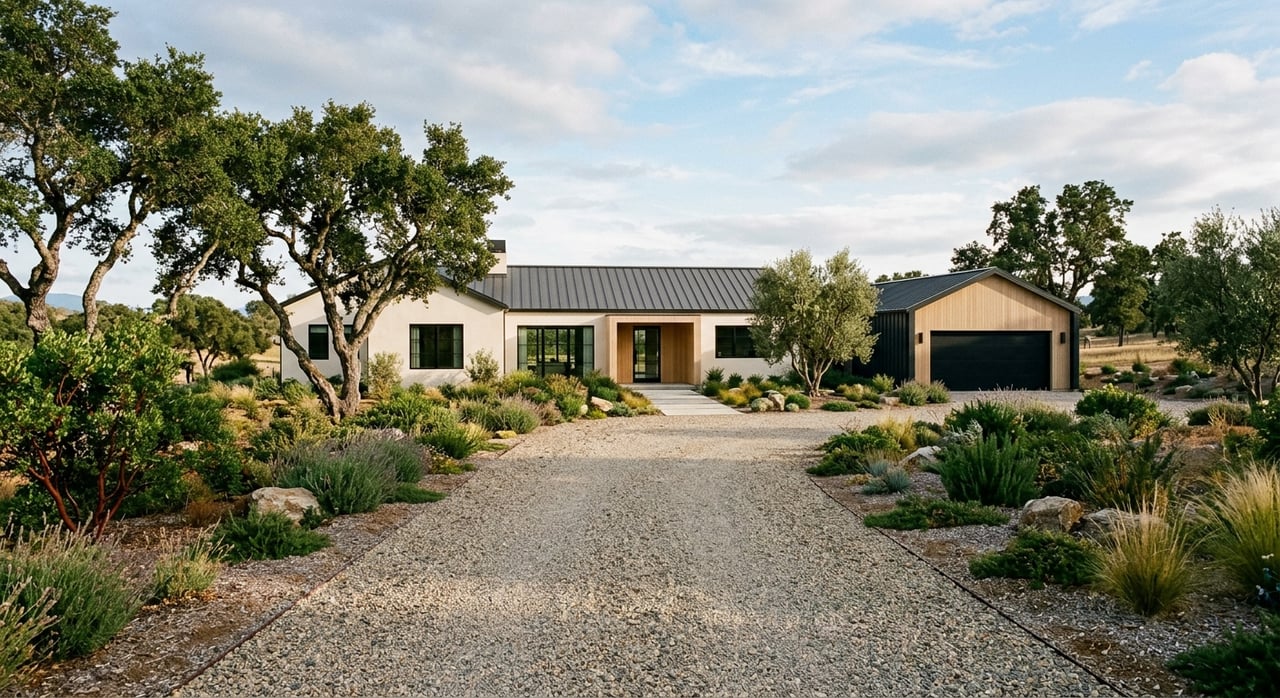
Looking at acreage in Santa Ynez can feel exciting at first glance. Wide-open views, room to spread out, and the appeal of rural living draw many buyers in. But in this part of Santa Barbara County, land value is about more than how many acres a listing shows. Before you move forward, you need to understand how zoning, water, access, and site conditions can shape what you can actually do with a parcel. Let’s dive in.
Why Santa Ynez acreage is different
Santa Ynez Valley is known for its scenic pastoral setting and strong agricultural tradition. Santa Barbara County identifies the area as including Santa Ynez, Ballard, Los Olivos, and surrounding rural and agricultural lands.
That matters because acreage here does not function like a standard suburban lot. A parcel may look simple on paper, but its use can depend on county land-use rules, agricultural status, water availability, wastewater systems, terrain, and legal access.
If you are buying land in Santa Ynez, the safest mindset is this: every parcel is site-specific. Two properties with similar acreage can have very different options, costs, and constraints.
Start with zoning and parcel designation
The first big question is not how pretty the land looks. It is how the county classifies the parcel and what uses are allowed.
Santa Barbara County treats agricultural land as a distinct policy category. The County also points property owners and buyers to Agricultural Preserve and Williamson Act resources, which shows how important those designations can be in this area.
Before you assume a parcel can support your plans, verify its zoning through the County’s zoning tools and parcel resources. This step can help you understand allowed uses, development standards, and whether the property is subject to rules that make it different from a typical homesite.
Why preserve status matters
If a parcel is under an Agricultural Preserve contract or tied to Williamson Act considerations, that can affect flexibility. In practical terms, this means you should not assume future changes, added structures, or alternative uses will be simple.
This is one of the most important early checks because preserve status can influence how you evaluate the property’s long-term fit. If your goals and the parcel’s designation do not align, it is better to know that early.
Review permit history before making assumptions
Acreage purchases often come with existing barns, guest spaces, workshops, fencing, driveways, grading, wells, or other improvements. Even when something is already on the property, you should still confirm its record.
Santa Barbara County provides permit history and parcel-based environmental document tools for that reason. Reviewing the paper trail can help you understand what was approved, what may have changed over time, and whether any past lot splits or structures affect your plans today.
What permit records can tell you
Permit history can help answer questions like:
- Were additions or outbuildings formally approved?
- Is there a record of grading, access work, or utility-related improvements?
- Has the parcel had previous land-division activity?
- Are there environmental documents tied to the site?
This kind of research can prevent expensive surprises later. It also gives you a clearer picture of what you are buying beyond the listing description.
Water can make or break the purchase
For many Santa Ynez acreage properties, water is one of the most important issues to investigate. If the parcel relies on a private well or a shared water arrangement, the details matter.
Santa Barbara County Environmental Health says its Water Quality Program exists to protect public health and help ensure that small, public, and private water systems are safe and adequately available. County subdivision rules also note that water purveyors need permits before furnishing water, and small systems under 200 connections are permitted by County Public Health.
If a property depends on a new or shared supply, the County may require items such as well plots, contamination-source setbacks, well logs, construction plans, hydrogeologic support, water-quality analysis, and engineering certifications. That means water due diligence is not a minor side task. It is central to the purchase decision.
Questions to ask about a well
If the property has a domestic private well, ask for:
- Well logs
- Pump details
- Recent water-quality results
- Information on well location and condition
- Any records tied to system repairs or upgrades
The State Water Board recommends annual testing for domestic private wells, including total coliform bacteria, nitrate, and electrical conductivity. That guidance can help you understand what kind of ongoing ownership responsibility may come with the property.
Groundwater management is local and specific
Santa Ynez Valley groundwater is not managed as one single, uniform pool. The Santa Ynez River Valley Groundwater Basin is divided into Western, Central, and Eastern Management Areas, and each area has its own governance structure.
That means it is worth identifying which management area a parcel falls within. Basin oversight can differ depending on location, so this is another reason acreage buyers should think beyond the boundary lines of the parcel itself.
Septic and wastewater deserve close attention
If a parcel does not have sewer service, wastewater is typically handled by an onsite wastewater treatment system, generally a septic system. In rural purchases, this is often a standard part of the equation.
Santa Barbara County says parcels served by private sewage disposal must meet county permitting requirements, including percolation tests under land-division standards. So if you are counting on building, expanding, or changing how the property is used, septic feasibility should be part of your early investigation.
Why septic affects future plans
A septic system is not just an operational detail. It can influence whether a site works for your intended occupancy, improvements, or future build areas.
If the parcel is undeveloped or only partially improved, ask whether percolation testing has been completed and whether Environmental Health review may be needed. This can save time and reduce uncertainty before closing.
Access and easements are not small issues
Acreage buyers sometimes focus heavily on the home, the views, or the usable flat land. But legal and physical access can be just as important.
Santa Barbara County subdivision standards flag issues like landlocked parcels and require easements and rights-of-way to be clearly identified. The standards also state that narrow reserve strips controlling access to streets or highways generally will not be approved.
In plain terms, you want to confirm that the property has clear, legal ingress and egress before you close. If access depends on easements or private roads, those details should be reviewed carefully.
Look beyond the gate
When evaluating access, pay attention to:
- Recorded easements
- Road frontage or approved ingress and egress
- Private road condition
- Driveway width
- Turnaround space
- Drainage concerns
- Visible addressing
- Slope and grade
These details can affect day-to-day use, service access, and future improvements. They can also shape how practical the property feels after the excitement of the purchase wears off.
Fire access and terrain matter in rural properties
In rural Santa Barbara County, fire safety is part of the land-use equation. County standards call for safe ingress and egress and note that at least two routes of entrance and egress may be required in some cases.
The standards also limit cul-de-sacs, generally expect road grades to stay within reasonable limits, and allow vegetation clearance of 20 feet on each side of roadways. Firebreaks or fuel breaks may also be required.
This is why terrain deserves a serious look. A parcel’s slope, road layout, vegetation, drainage, and building areas can all affect usability and future planning.
Site features to study early
Before you assume a parcel has an easy build site or expansion area, review:
- Slope
- Drainage patterns
- Fire access conditions
- Habitat-related constraints
- Flood-related concerns
- Road grades
- Potential clearance needs around access routes
Even if the acreage count looks generous, not every part of the land may be equally practical for your goals.
A smart Santa Ynez acreage checklist
If you want a simple way to approach due diligence, start here:
- Verify zoning and allowable uses with Santa Barbara County parcel tools
- Check whether the parcel is under Agricultural Preserve or Williamson Act-related restrictions
- Review permit history and parcel environmental records
- Ask for well logs, pump details, and recent water-quality results
- Confirm whether the property uses a private, shared, or mutual water system
- Identify the parcel’s groundwater management area
- Confirm legal access, easements, and road standards
- Review septic status and whether percolation testing is needed
- Evaluate slope, drainage, fire access, and other physical site constraints
This process may sound detailed, but it is often what separates a confident land purchase from an expensive learning experience.
The big takeaway for buyers
Buying acreage in Santa Ynez is not just about finding enough land. It is about understanding how that specific parcel functions in the real world.
In this market, zoning, water, wastewater, access, and terrain can matter more than the raw acreage number. When you take the time to investigate those issues early, you give yourself a much better chance of buying a property that truly fits your plans.
If you are considering acreage in Santa Ynez and want a practical, local perspective on how to evaluate your options, connect with Hinkens Group Properties Real Estate Superstore. Our team brings a plainspoken, hands-on approach to helping you make sense of the details before you buy.
FAQs
What should you check first when buying acreage in Santa Ynez?
- Start with zoning, parcel designation, and whether the property has Agricultural Preserve or Williamson Act-related status.
Why is water such a big issue for Santa Ynez acreage?
- Many rural parcels depend on private wells or shared systems, so water availability, permit status, and water-quality records can be critical.
How do septic systems affect a Santa Ynez land purchase?
- If the property is not on sewer, septic feasibility and county permitting requirements, including possible percolation testing, can affect use and future plans.
What access issues matter for Santa Ynez rural property?
- You should confirm legal ingress and egress, recorded easements, road condition, driveway width, and whether emergency access standards may apply.
Why does terrain matter when buying land in Santa Ynez?
- Slope, drainage, fire access, and other physical constraints can affect where you build, how you access the site, and how usable the property really is.