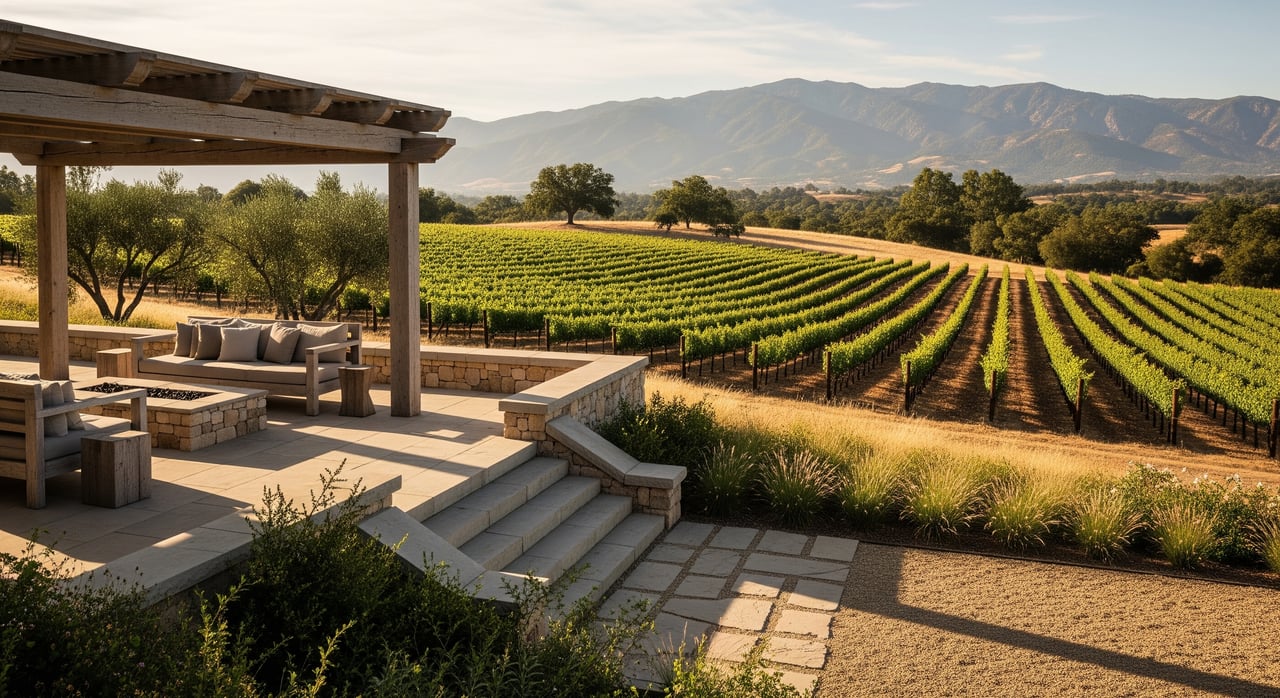
Thinking about selling in Santa Ynez wine country or Eastside Santa Barbara and wondering when to go live? Timing can shape your showings, the quality of offers, and how long you stay on the market. You want strong buyer traffic without competing against every other listing or a packed event weekend. This guide walks you through the local rhythms, from wine festivals and harvest season to school calendars and weather factors, plus smart tactics if your timing is locked. Let’s dive in.
How seasonality works here
The Santa Ynez wine country and nearby Eastside Santa Barbara market brings a mix of local residents, second‑home seekers, and lifestyle buyers from LA and the Bay Area. That means the typical national pattern still matters, but local tourism and events play a big role too.
Spring momentum (March to June)
Spring is often the busiest season for sellers. You get strong buyer activity and attractive visuals, with green hills, blooming landscapes and softer light for photos. Families who want to move before the next school year start touring. If you want maximum curb appeal and a larger buyer pool, spring is a dependable bet.
Summer dynamics (June to August)
Tourism peaks, and weekend traffic picks up. Family buyers who planned ahead are touring to position a summer move. If you want to capture these buyers, listing in late spring or early summer can work well, especially if you can offer flexible closing dates.
Harvest and fall (September to October)
Harvest brings a lively scene, and some buyers seek that wine‑country lifestyle. Offer velocity can be strong but varies by property type and event schedule. If your home highlights vineyard views, outdoor living and guest spaces, fall can be a solid window.
Late fall and winter (November to February)
Activity usually slows. You’ll often see fewer showings and longer average days on market. That said, motivated relocation buyers and serious second‑home shoppers are still out there. With the right pricing and marketing, you can still get a good result.
Events and festivals: help or hinder?
Wine festivals, open‑house weekends and seasonal celebrations change the weekend flow. Extra traffic can boost exposure, yet it can also crowd out serious showings.
When events help exposure
- You may see increased open‑house foot traffic from out‑of‑area visitors.
- Your marketing can highlight wine‑country living and nearby amenities.
- A well‑timed launch just before a big event can ride the wave of energy and attention.
When events work against showings
- Many attendees are tourists rather than active buyers, which can dilute lead quality.
- Congestion, limited parking and road closures can make access difficult.
- Buyer agents may be booked at events, reducing private showing windows.
Action plan around events
- Review local wine‑country and city event calendars before you set a date.
- If you list during a major event, schedule open houses to avoid peak hours and provide clear parking instructions.
- Consider a strong pre‑market push to serious buyers and buyer agents the week before.
School calendars and family buyers
If your likely buyer has school‑age children, timing around the academic calendar can help. Families usually aim to move during summer to avoid disruption.
- Summer break (mid‑June to mid/late August) is prime move‑in time for many families.
- Spring break and long holiday weekends can boost touring availability.
- Winter holidays typically bring lower traffic.
Plan to list with a 6 to 12 week lead time so buyers can close and move during summer if that is your target audience. If you are marketing to relocating families during the school year, flexible closing dates or a seller lease‑back can keep you competitive.
Buyer types and touring behavior
You will see different showing patterns based on who is likely to buy your home.
Weekend and part‑time tourists
These buyers prefer Saturday and Sunday, often combining property tours with winery visits. Make weekend access simple, with clear directions and wide showing windows.
LA and Bay Area relocation buyers
They schedule quick scouting trips and may decide fast when a home fits their lifestyle. Offer virtual tours and be ready for weekday or evening showings.
Local move‑up buyers
They often tour on weekdays and rely on broker opens. A strong broker open can bring qualified traffic through your door.
Second‑home and investor buyers
They need flexibility and clear data. Provide 3D tours, detailed property packets and easy online scheduling to reduce friction.
Visual timing: photos and first impressions
Photography matters in a market where landscape changes are visible.
- Spring photos shine with green hills and fresh landscaping.
- Late summer to early fall brings golden hills that can look warm and classic. If your yard is less lush, emphasize irrigated areas, patios, and interiors.
- During harvest, plan photos to avoid visible machinery or active vineyard work if you want a pristine look.
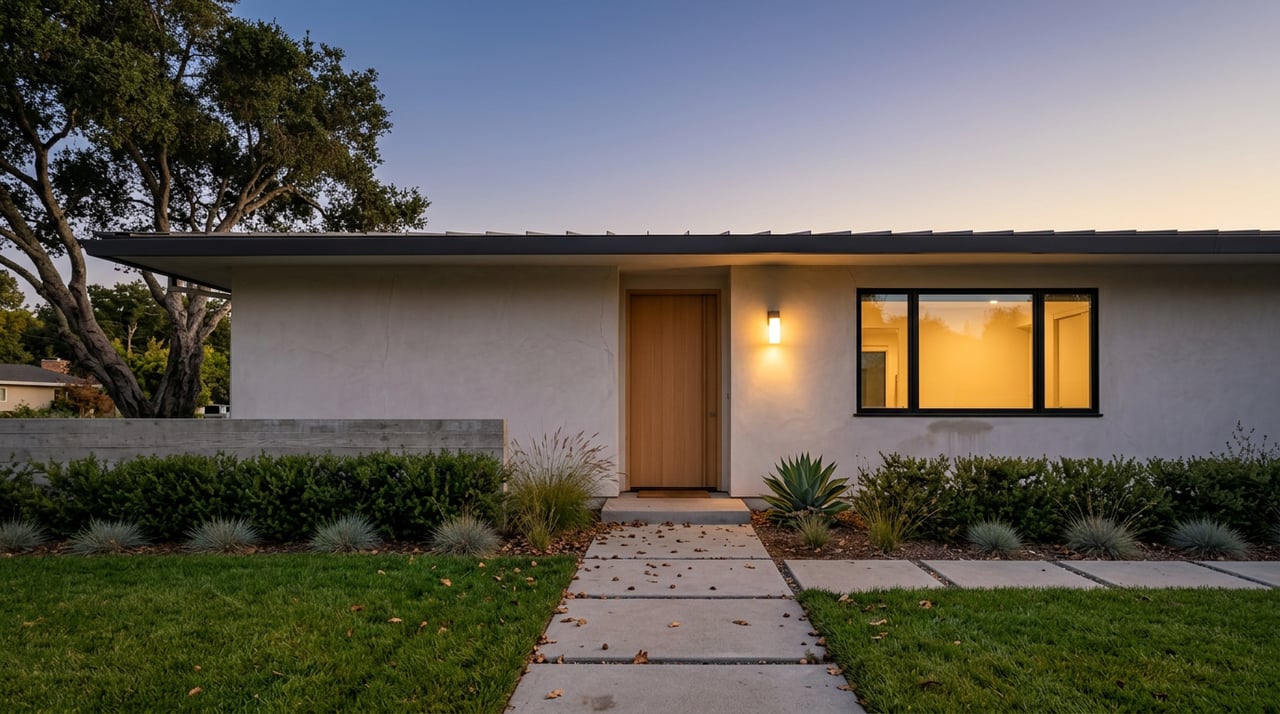
- Twilight shots and drone imagery can spotlight views, privacy and outdoor living areas.
Weather, wildfire and insurance questions
Late summer through fall can bring wildfire risk and occasional air‑quality issues. Short‑term smoke can limit showings, but buyers are most concerned about long‑term risk and insurability. Have documentation ready on any mitigation work, defensible space and HVAC filtration. Encourage buyers to check insurance options early in the process.
If you can’t time it perfectly: strategies to win
Sometimes your job transfer, purchase contingency or personal timeline sets your date. You can still create momentum.
Pricing and positioning
Be data‑driven on price. In slower months, a sharper initial price can increase showings and shorten days on market. If inventory is low, a well‑priced home can stand out.
Pre‑market and targeted outreach
Use coming‑soon exposure to reach buyer agents and known relocation pools. Target feeder markets like Los Angeles, Ventura and San Francisco with paid ads and email campaigns that push upcoming open houses and broker tours.
Flexible showings and logistics
Offer generous showing blocks and simple online booking. For out‑of‑area buyers, propose efficient tour routes that cluster nearby properties. Host mid‑day weekday broker opens to draw local agents.
Virtual tools that convert
High‑quality video tours, 3D walkthroughs and live video showings help distant buyers get comfortable enough to write. Use light screening to focus on serious prospects.
Staging and creative media
If the landscape is not at its best, lean on interior staging, twilight photography and drone shots. Highlight all‑season features like views, upgraded systems, wine storage, guest quarters and work‑from‑home spaces.
Tactical timeline adjustments
Plan a measured price improvement cadence based on feedback and traffic. Complete disclosures, minor repairs and a pre‑inspection before launch to streamline due diligence and give buyers confidence.
Contract terms that help buyers
Consider flexible closing, a rent‑back for a short period, or other concessions that solve buyer timing needs. If your area has known event traffic, explain access details in the listing and buyer packets so expectations are clear.
Eastside vs. valley timing: how to think about it
Eastside Santa Barbara attracts daily commuters, local move‑up buyers and lifestyle seekers who split time between the city and the valley. Santa Ynez wine country draws weekend touring and second‑home interest. If you are listing on the Eastside, spring and early summer align well with family schedules and weekday showings. If your property is in or near wine country, harvest can bring strong lifestyle buyers, but coordinate around event peaks and parking.
A simple listing timeline
- 6 to 8 weeks out: Confirm target buyer and ideal window. Review school calendars and local event schedules.
- 4 to 6 weeks out: Complete repairs, schedule professional photos and video, prepare disclosures, and build your coming‑soon plan.
- 2 to 3 weeks out: Launch targeted outreach to feeder markets and plan open houses and a broker open.
- Go live week: Optimize weekday showings and a weekend open house. Provide parking and access notes if events are nearby.
- Week 2 and beyond: Review traffic and feedback. Adjust pricing or marketing cadence if needed.
Quick checklist
- Verify current local market stats and days on market.
- Check event and festival calendars for conflicts or opportunities.
- Confirm school breaks if you are targeting families.
- Align timing with your likely buyer’s touring patterns.
- Prep professional media, 3D tours and a lifestyle‑focused story.
- Plan access and parking guidance for event or harvest periods.
- Have wildfire mitigation notes and insurance information ready.
Bottom line
You do not need a perfect date to get a great result. In Santa Ynez wine country and Eastside Santa Barbara, success comes from matching your listing date and strategy to how buyers actually tour, what they value, and what else is happening in the area. With the right preparation and a flexible plan, you can create strong momentum in any season.
Ready to map the best window for your home and price it to move? Reach out to the Hinkens Group for a local game plan and to Get a Home Valuation.
FAQs
What is the best time to list in Santa Ynez wine country?
- Spring is generally busiest and most photogenic, while late summer and fall can be strong for lifestyle and second‑home buyers depending on events and harvest.
How do wine events affect open houses and showings?
- Events can boost open‑house traffic, but congestion and tourist crowds may reduce serious showings; schedule around peak hours and give clear access instructions.
What if I must list during harvest season?
- Highlight lifestyle in your marketing, plan parking and access, avoid active harvest times for photos, and offer virtual tours for out‑of‑area buyers.
How do school calendars influence listing timing in Santa Barbara?
- Families often aim to move in summer; listing in spring with 6 to 12 weeks of lead time helps them close before the next school year.
Is winter a bad time to sell in this area?
- Winter brings fewer showings on average, but motivated buyers still shop; a sharp price, strong media and flexible terms can speed up results.
Will wildfire season hurt my chances of selling?
- Short‑term smoke can slow in‑person tours, but buyers focus on long‑term risk and insurability; provide mitigation details and encourage early insurance checks.